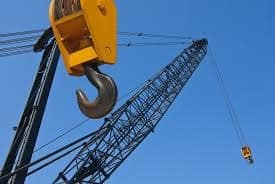
Understanding Crane Parts: A Behind-the-Scenes Look at Heavy Lifting

In the towering skylines of modern cities, cranes are silent heroes. They lift, pivot, and place thousands of tons of material with precision that seems almost magical. But behind every successful lift is a complex system of carefully engineered crane parts working together. Each bolt, cable, motor, and beam has a vital role, and understanding these components offers a fascinating look at the science of heavy lifting.

This article explores the essential crane parts that power these mechanical giants, their functions, and why regular maintenance and quality matter more than ever in today’s fast-paced construction world.

The Backbone of Modern Construction

Before diving into individual crane parts, it’s important to appreciate how cranes have evolved. Ancient civilizations used primitive cranes made of wood and rope. Today, cranes are towering steel machines, capable of lifting thousands of pounds thanks to advancements in engineering and materials science.

Without cranes, skyscrapers, bridges, and even modern ships would be impossible to build at the speed and scale we see today. The unsung heroes making this possible are not just the operators or engineers, but the parts that ensure safety, reliability, and performance.

Core Crane Parts and Their Functions

Understanding the main components of a crane helps shed light on how these machines achieve such incredible feats.

1. Boom

The boom is the most recognizable part of any crane. It’s the long arm that extends outward, either telescopically or through a lattice structure, allowing the crane to reach different heights and distances.

There are two main types of booms:

  • Lattice booms: Made of steel trusses, offering strength with less weight.

  • Telescopic booms: Extendable sections that slide inside one another, commonly found on mobile cranes.

The boom’s design directly affects a crane’s load capacity and reach, making it a critical part of the operation.

2. Jib

Often confused with the boom, the jib is an extension attached to the end of the boom to increase the crane’s reach horizontally. Tower cranes, in particular, are known for their long, horizontal jibs.

The jib allows cranes to maneuver materials over large obstacles or construction sites, providing flexibility when space is limited.

3. Hoist

The hoist is responsible for raising and lowering loads. It includes the wire rope, drum, and motor system.

Without the hoist, a crane wouldn’t be able to lift anything. High-quality hoists ensure smooth lifting operations and are carefully selected based on the weight and size of the intended loads.

4. Wire Rope

Made of multiple steel strands twisted together, wire ropes are critical for lifting heavy loads.

They are engineered to resist wear, tension, and abrasion, but they require frequent inspections. Frayed or corroded wire ropes are major safety risks, which is why replacement schedules and maintenance are so crucial in crane operations.

5. Sheaves

Sheaves are pulley-like wheels over which the wire rope runs. They help redirect and control the wire rope, reducing friction and increasing lifting efficiency.

Well-maintained sheaves extend the life of wire ropes and reduce the mechanical stress on the crane’s hoisting system.

6. Counterweights

Cranes rely on counterweights to balance heavy loads. Without them, the crane would tip over.

Counterweights are carefully calculated and installed depending on the load and boom length. They’re often made from concrete or steel and can weigh several tons themselves.

7. Rotex Gear or Slewing Ring

This component allows the crane’s upper structure to rotate. In tower cranes and mobile cranes, the slewing system enables 360-degree movement, providing unparalleled flexibility in lifting operations.

Precision in the slewing mechanism ensures smooth rotation and prevents undue stress on other crane parts.

8. Operator’s Cab

The cab houses the controls and displays necessary for operating the crane.

Modern cabs are ergonomic, climate-controlled, and equipped with sophisticated computer systems that monitor crane performance, alert operators to risks, and assist with precision lifts.

9. Outriggers

For mobile cranes, outriggers are essential crane parts. These extendable supports stabilize the crane by distributing its weight across a larger surface area.

Proper deployment of outriggers is vital to safe lifting operations, especially on uneven or soft ground.

10. Load Moment Indicator (LMI)

This electronic system monitors the crane’s load and alerts the operator if limits are being approached.

The LMI prevents overloading, one of the most common causes of crane accidents, and is mandatory in most modern cranes.

Specialized Crane Parts for Unique Jobs

Depending on the type of crane — whether it’s a tower crane, crawler crane, rough-terrain crane, or overhead crane — there are specialized parts that enhance functionality.

  • Crawler Tracks: Found on crawler cranes, these tracks distribute weight and provide mobility on soft ground.

  • Hydraulic Systems: Essential in mobile cranes and truck-mounted cranes, these systems power boom extension, outriggers, and other moving parts.

  • Trolley and Bridge: In overhead cranes, the trolley moves along the bridge to position loads precisely.

Each unique part is designed with the crane’s specific application in mind, ensuring that it can meet the demands of different industries, from construction to shipping to energy.

The Importance of Quality and Maintenance

While cranes are designed for heavy-duty performance, they are only as strong as their weakest part. A worn-out wire rope, a misaligned sheave, or a faulty hoist motor can spell disaster.

Routine inspections, preventive maintenance, and use of certified replacement parts are non-negotiable aspects of safe crane operation. Here’s why:

  • Safety: Faulty crane parts can lead to catastrophic accidents, causing injuries, fatalities, and millions in damages.

  • Longevity: Well-maintained parts extend the service life of the crane.

  • Efficiency: A crane operating at peak performance saves time and money on the job site.

  • Compliance: Regulatory bodies like OSHA mandate strict inspection and maintenance schedules.

When a crane part is replaced, it’s vital to source it from reputable manufacturers or certified suppliers. Cheap, counterfeit parts might save money upfront but can cost far more in the long run.

Innovations in Crane Parts: Where the Industry Is Headed

The crane industry is not static. Innovations in crane parts are pushing the boundaries of what’s possible.

  • Smart Sensors: Embedded in wire ropes and structural components, they provide real-time data about stress, wear, and operating conditions.

  • Automation: Self-diagnosing systems that alert operators before a part fails are becoming standard.

  • Materials Science: Lightweight, ultra-strong materials like carbon fiber composites are being explored for certain crane parts, potentially allowing for greater lifting capacities without adding weight.

  • Telematics: Integrated fleet management systems that monitor multiple cranes remotely are helping large construction companies manage maintenance more efficiently.

As cities grow taller and industries demand faster project completion, the evolution of crane parts will play a key role in meeting future challenges safely and sustainably.

Conclusion: The Hidden World of Crane Parts

Next time you see a crane lifting steel beams dozens of stories into the sky, consider the intricate dance of parts making it possible. From the simple wire rope to the complex slewing ring, each component carries a weighty responsibility — literally and figuratively.

Crane parts might not grab headlines, but they are the unsung foundation of modern construction and heavy industry. Understanding and respecting their role not only highlights human ingenuity but reminds us that even the most powerful machines are only as strong as the smallest bolt holding them together.
Why You Need Acrylic Roof Coatings For Roof Replacement

In the ever-evolving landscape of commercial roofing, businesses face the perpetual challenge of maintaining the integrity of their structures. Roof replacement, a substantial investment for any enterprise, demands careful consideration of the materials used. Acrylic roof coatings have emerged as a formidable solution, offering myriad benefits that make them a compelling choice for businesses contemplating a roof replacement.

Protecting Your Investment

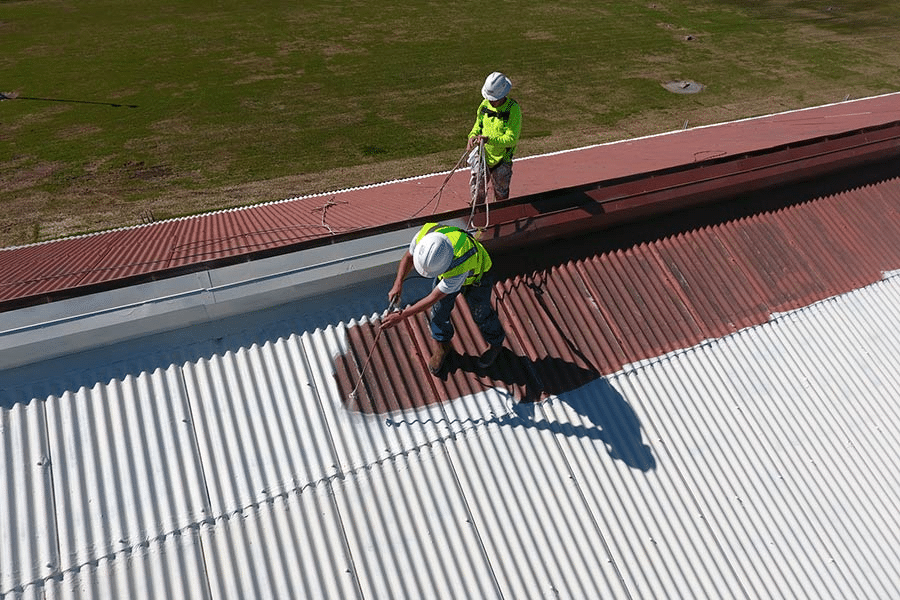
Acrylic roof coatings are stalwart defenders of your building from the unpredictable forces of nature. Their unique composition forms a seamless protective layer over your roof, shielding it from rain, UV rays, and temperature extremes. This unparalleled resilience ensures a prolonged life for your roofing system, making it a wise investment for any business looking for durability.

Cost Savings

In the era of environmental consciousness and rising energy costs, acrylic roof coatings play a pivotal role in enhancing the energy efficiency of commercial structures. By reflecting a significant portion of the sun’s rays, these coatings create “cool roofs.” The result? Reduced cooling costs and a more sustainable footprint for your business. In an age where sustainability is not just a buzzword but a business imperative, acrylic roof coatings offer a practical solution.

Efficiency in Installation

The fast-paced world of business does not wait for lengthy construction projects. Acrylic roof coatings boast a seamless application process, minimizing downtime during roof replacement. Businesses can continue operations with minimal disruption, ensuring that productivity remains uninterrupted. The application efficiency is a distinct advantage, making acrylic roof coatings a pragmatic choice for companies seeking swift and effective roof replacements.

Versatility in Roofing Solutions

One size does not fit all, especially when it comes to commercial roofs. Acrylic roof coatings, however, are versatile and compatible with various roofing materials. Whether your building features metal, single-ply, or built-up roofing systems, acrylic coatings seamlessly integrate, offering a universal solution for businesses with diverse structures. This adaptability simplifies decision-making and provides a comprehensive roofing solution for businesses with diverse portfolios.

Cost-Effectiveness Over the Long Term

While upfront costs are crucial in any roof replacement project, savvy businesses recognize the importance of evaluating long-term expenses. With their durability and minimal maintenance requirements, acrylic roof coatings are a cost-effective solution for the roof’s life. Reduced repair and replacement needs translate into significant savings, making acrylic coatings a financially sound investment for businesses looking to manage their budgets effectively.

Environmentally Friendly Choice

Committing to sustainability is no longer an option but a necessity. Acrylic roof coatings align with this ethos by being an environmentally friendly choice. Their reflective properties contribute to lower urban heat island effects, mitigating the impact of climate change. Additionally, their long lifespan reduces the need for frequent replacements, minimizing the environmental footprint associated with roofing materials. By choosing acrylic roof coatings, businesses invest in their longevity and contribute to a greener and more sustainable future.

Conclusion

In the dynamic realm of commercial roofing, decisions should be informed by a combination of durability, efficiency, and sustainability. Acrylic roof coatings seamlessly blend these attributes, making them an ideal choice for businesses contemplating roof replacement. The advantages of acrylic roof coatings are multifaceted, from protecting your investment to promoting energy efficiency. As businesses navigate a more resilient and sustainable future, choosing acrylic roof coatings is a strategic step toward elevating their roof replacement strategies.

6 Tips for Homeowners Looking to Increase Curb Appeal

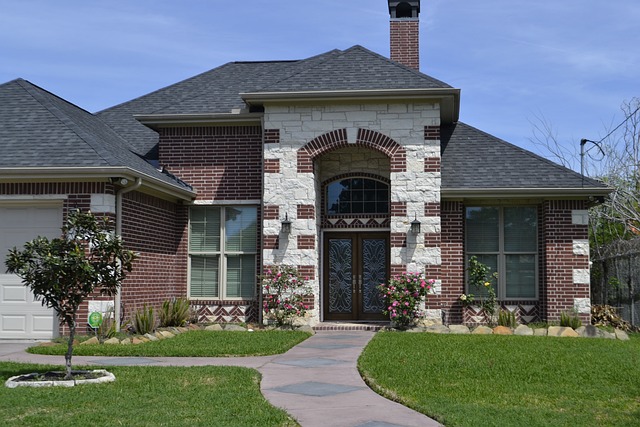
Your home’s façade is the canvas upon which first impressions are painted, so make sure it looks nice! Improving your property’s appearance from the street is more than just a cosmetic project for homeowners; it’s an investment in the property’s overall value as well as its aesthetic charm. In this detailed article, you’ll go deep into six helpful recommendations that can help you convert the exterior of your home from ordinary to amazing. 

  1. Exceptional Quality In Landscaping

The landscaping of a property is essential to its street appeal. Begin by giving your lawn a careful and precise manicure. Regular mowing, edging, and trimming of your grass can produce noticeable results. Consider planting colorful flowers, shrubs, or decorative trees that are in keeping with the architectural design of your house in order to bring life and color inside. If you hire a professional landscaping service, they could even be able to create a custom-designed outside sanctuary for you.

  1. Newly Painted Walls And Siding

Your property can get a new lease on life simply by getting a new coat of paint. It is important to remember to inspect your siding and to replace any pieces that are broken or have been worn in order to keep the exterior looking polished and uniform. Choosing a James Hardie siding contractor offers a number of benefits, including higher property value, expert installation, and long-lasting durability. Working with a licensed professional on a siding project assures that you will get the most out of your investment in James Hardie siding. This is especially important if you are considering undertaking such a project. A home’s exterior that has been well-maintained not only looks nice but also serves to defend it against the effects of weather.

  1. Improve The Look Of Your Front Door

The moment someone enters your home for the first time, they are greeted by its front door. Your home’s street appeal can be significantly improved by making an investment in a front door that is both fashionable and of good quality. Pick a front door for your house that fits in well with the architectural design and color palette of the rest of the house. The entrance can be made even more impressive by installing ornate hardware and placing a doormat that invites people in.

  1. Appropriate Illumination

Both safety and aesthetics can be served by properly lighting outdoor spaces. Your walkways can be illuminated with understated path lights, and architectural details can be brought into focus with accent lighting. The addition of an attractive light fixture to the front porch can be functional as well as visually appealing. Make sure that all of the bulbs are in good working order, and if you really want to save money on your energy bills, consider switching to LED lighting instead.

  1. Take Care Of Your Roofing

Not only can a well-maintained roof protect your home, but it also adds to the aesthetic value of the property. Make it a habit to perform routine checks on your roof to look for issues such as missing or broken shingles, symptoms of leaks, and other problems. Concerns with the roof can be addressed as soon as possible in order to prevent larger and more expensive problems in the future.

  1. Keeping A Spotless Appearance Is Essential

The cleanliness of a property is essential to its street appeal. Clean your driveway, sidewalks, and siding with a pressure washer on a regular basis to get rid of dirt, mold, and grime. Windows that are clean, streak-free, and gleaming may do wonders for the overall presentation of your home. Keep in mind that the outside of your home can be tidy in order to convey care and pleasure in being a homeowner.

Conclusion

Improving the looks of the exterior of your home is not the only reason to give it more curb appeal; doing so is an investment that will pay off in terms of both value and pride of ownership. If you follow these six extremely comprehensive guidelines, you will be well on your way to designing an exterior for your home that not only impresses guests but also makes you fall in love with it all over again.