
Why Modern Grooms Are Investing in Designer Wedding Rings

In today’s world, the wedding ring is not just a symbol of love—it’s also a statement of style and personality. While wedding rings have traditionally been simple gold bands, more and more grooms are now opting for designer rings that reflect their unique taste and individuality. The rise in popularity of designer men’s wedding rings is reshaping how men approach this once-standard piece of jewelry.

The Shift Toward Personalization

One of the key reasons modern grooms are investing in designer wedding rings is the growing desire for personalization. Unlike the mass-produced options of the past, designer rings can be customized to reflect individual styles, preferences, and stories. Whether it’s through the choice of materials, the addition of diamonds, or unique engravings, designer rings allow grooms to craft a piece of jewelry that’s entirely their own.

Personalization can also extend to the shape and finish of the band. While traditional wedding rings were often uniform in design, today’s designer rings come in a variety of shapes—rounded, beveled, or flat—and finishes, such as matte, brushed, polished, or hammered. These elements add a personal touch that makes each ring unique to the wearer.

The Appeal of Quality Craftsmanship

Designer wedding rings are synonymous with superior craftsmanship. Unlike mass-produced rings that are created in bulk, designer rings are often handcrafted by skilled artisans, ensuring high-quality materials and meticulous attention to detail. These rings are built to last, crafted from materials such as platinum, tungsten, or palladium—metals known for their durability and resistance to wear.

The choice of designer rings often indicates an appreciation for fine craftsmanship, with many grooms wanting a piece that is as timeless as their commitment. The superior quality of designer men’s wedding rings ensures that the ring will withstand the test of time, much like the relationship it represents.

A Broader Range of Materials

One of the biggest advantages of designer wedding rings is the variety of materials available. While traditional rings were typically made from gold, modern designers have embraced a much broader selection of metals and inlays. Titanium, tungsten, and carbon fiber are growing in popularity due to their strength and modern appeal. These materials are not only durable but also lightweight, making them ideal for grooms who want something comfortable and practical.

Designer wedding rings may also feature unique inlays, such as wood, meteorite, or ceramic, offering a distinctive look that sets them apart from conventional gold bands. The use of non-traditional materials can make a significant difference in the overall aesthetic, catering to grooms who want a ring that expresses their personality and lifestyle.

READ MORE : Understanding Crane Parts

Luxury and Exclusivity

Investing in a designer wedding ring is also about embracing exclusivity and luxury. Designer rings are often made in limited editions or available through bespoke services, which means that the groom is getting a one-of-a-kind piece that’s unlike any other. This exclusivity adds an element of prestige and significance to the ring, making it more than just a symbol of love—it’s also a statement of taste and individuality.

For many grooms, choosing a designer ring is about more than just aesthetics. It’s an investment in a piece that will not only last a lifetime but will also represent the values they hold dear. Designer wedding rings offer the opportunity to wear a piece of art that symbolizes both personal identity and commitment.

Final Thoughts

Designer wedding rings offer modern grooms the chance to express their personality, embrace superior craftsmanship, and invest in a timeless symbol of love. Whether it’s through custom engravings, unique materials, or the high-quality construction, these rings are much more than jewelry—they’re an integral part of a groom’s journey toward marriage.

Regards: ClickThrive – Ecommerce SEO Agency

Understanding Crane Parts: A Behind-the-Scenes Look at Heavy Lifting

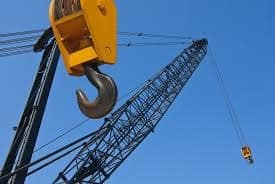
In the towering skylines of modern cities, cranes are silent heroes. They lift, pivot, and place thousands of tons of material with precision that seems almost magical. But behind every successful lift is a complex system of carefully engineered crane parts working together. Each bolt, cable, motor, and beam has a vital role, and understanding these components offers a fascinating look at the science of heavy lifting.

This article explores the essential crane parts that power these mechanical giants, their functions, and why regular maintenance and quality matter more than ever in today’s fast-paced construction world.

The Backbone of Modern Construction

Before diving into individual crane parts, it’s important to appreciate how cranes have evolved. Ancient civilizations used primitive cranes made of wood and rope. Today, cranes are towering steel machines, capable of lifting thousands of pounds thanks to advancements in engineering and materials science.

Without cranes, skyscrapers, bridges, and even modern ships would be impossible to build at the speed and scale we see today. The unsung heroes making this possible are not just the operators or engineers, but the parts that ensure safety, reliability, and performance.

Core Crane Parts and Their Functions

Understanding the main components of a crane helps shed light on how these machines achieve such incredible feats.

1. Boom

The boom is the most recognizable part of any crane. It’s the long arm that extends outward, either telescopically or through a lattice structure, allowing the crane to reach different heights and distances.

There are two main types of booms:

  • Lattice booms: Made of steel trusses, offering strength with less weight.

  • Telescopic booms: Extendable sections that slide inside one another, commonly found on mobile cranes.

The boom’s design directly affects a crane’s load capacity and reach, making it a critical part of the operation.

2. Jib

Often confused with the boom, the jib is an extension attached to the end of the boom to increase the crane’s reach horizontally. Tower cranes, in particular, are known for their long, horizontal jibs.

The jib allows cranes to maneuver materials over large obstacles or construction sites, providing flexibility when space is limited.

3. Hoist

The hoist is responsible for raising and lowering loads. It includes the wire rope, drum, and motor system.

Without the hoist, a crane wouldn’t be able to lift anything. High-quality hoists ensure smooth lifting operations and are carefully selected based on the weight and size of the intended loads.

4. Wire Rope

Made of multiple steel strands twisted together, wire ropes are critical for lifting heavy loads.

They are engineered to resist wear, tension, and abrasion, but they require frequent inspections. Frayed or corroded wire ropes are major safety risks, which is why replacement schedules and maintenance are so crucial in crane operations.

5. Sheaves

Sheaves are pulley-like wheels over which the wire rope runs. They help redirect and control the wire rope, reducing friction and increasing lifting efficiency.

Well-maintained sheaves extend the life of wire ropes and reduce the mechanical stress on the crane’s hoisting system.

6. Counterweights

Cranes rely on counterweights to balance heavy loads. Without them, the crane would tip over.

Counterweights are carefully calculated and installed depending on the load and boom length. They’re often made from concrete or steel and can weigh several tons themselves.

7. Rotex Gear or Slewing Ring

This component allows the crane’s upper structure to rotate. In tower cranes and mobile cranes, the slewing system enables 360-degree movement, providing unparalleled flexibility in lifting operations.

Precision in the slewing mechanism ensures smooth rotation and prevents undue stress on other crane parts.

8. Operator’s Cab

The cab houses the controls and displays necessary for operating the crane.

Modern cabs are ergonomic, climate-controlled, and equipped with sophisticated computer systems that monitor crane performance, alert operators to risks, and assist with precision lifts.

9. Outriggers

For mobile cranes, outriggers are essential crane parts. These extendable supports stabilize the crane by distributing its weight across a larger surface area.

Proper deployment of outriggers is vital to safe lifting operations, especially on uneven or soft ground.

10. Load Moment Indicator (LMI)

This electronic system monitors the crane’s load and alerts the operator if limits are being approached.

The LMI prevents overloading, one of the most common causes of crane accidents, and is mandatory in most modern cranes.

Specialized Crane Parts for Unique Jobs

Depending on the type of crane — whether it’s a tower crane, crawler crane, rough-terrain crane, or overhead crane — there are specialized parts that enhance functionality.

  • Crawler Tracks: Found on crawler cranes, these tracks distribute weight and provide mobility on soft ground.

  • Hydraulic Systems: Essential in mobile cranes and truck-mounted cranes, these systems power boom extension, outriggers, and other moving parts.

  • Trolley and Bridge: In overhead cranes, the trolley moves along the bridge to position loads precisely.

Each unique part is designed with the crane’s specific application in mind, ensuring that it can meet the demands of different industries, from construction to shipping to energy.

The Importance of Quality and Maintenance

While cranes are designed for heavy-duty performance, they are only as strong as their weakest part. A worn-out wire rope, a misaligned sheave, or a faulty hoist motor can spell disaster.

Routine inspections, preventive maintenance, and use of certified replacement parts are non-negotiable aspects of safe crane operation. Here’s why:

  • Safety: Faulty crane parts can lead to catastrophic accidents, causing injuries, fatalities, and millions in damages.

  • Longevity: Well-maintained parts extend the service life of the crane.

  • Efficiency: A crane operating at peak performance saves time and money on the job site.

  • Compliance: Regulatory bodies like OSHA mandate strict inspection and maintenance schedules.

When a crane part is replaced, it’s vital to source it from reputable manufacturers or certified suppliers. Cheap, counterfeit parts might save money upfront but can cost far more in the long run.

Innovations in Crane Parts: Where the Industry Is Headed

The crane industry is not static. Innovations in crane parts are pushing the boundaries of what’s possible.

  • Smart Sensors: Embedded in wire ropes and structural components, they provide real-time data about stress, wear, and operating conditions.

  • Automation: Self-diagnosing systems that alert operators before a part fails are becoming standard.

  • Materials Science: Lightweight, ultra-strong materials like carbon fiber composites are being explored for certain crane parts, potentially allowing for greater lifting capacities without adding weight.

  • Telematics: Integrated fleet management systems that monitor multiple cranes remotely are helping large construction companies manage maintenance more efficiently.

As cities grow taller and industries demand faster project completion, the evolution of crane parts will play a key role in meeting future challenges safely and sustainably.

Conclusion: The Hidden World of Crane Parts

Next time you see a crane lifting steel beams dozens of stories into the sky, consider the intricate dance of parts making it possible. From the simple wire rope to the complex slewing ring, each component carries a weighty responsibility — literally and figuratively.

Crane parts might not grab headlines, but they are the unsung foundation of modern construction and heavy industry. Understanding and respecting their role not only highlights human ingenuity but reminds us that even the most powerful machines are only as strong as the smallest bolt holding them together.

The Art and Application of Cursive Fonts

The Art and Application of Cursive Fonts

Cursive fonts, characterized by their flowing, interconnected letterforms, have long been a staple in design and typography. Their elegance and fluidity make them a popular choice for various applications, from formal invitations to branding materials. This article delves into the nuances of cursive fonts, and their historical significance, and highlights notable examples from TypeType’s collection.

Understanding Cursive Fonts

Cursive fonts emulate the style of handwritten script where letters are connected in a seamless flow. This design not only enhances readability but also imparts a personal touch to the text. The origins of cursive writing trace back to ancient civilizations, evolving over centuries to the sophisticated scripts we see today.

Historical Evolution

The journey of cursive writing began with the need for efficient and rapid writing styles. Over time, this necessity gave birth to various cursive scripts, each reflecting the cultural and artistic inclinations of its era. In the digital age, these scripts have been transformed into typefaces, preserving their historical essence while adapting to modern design needs.

Applications of Cursive Fonts

Cursive fonts are versatile and find applications across various domains:

  • Formal Invitations: Their elegant strokes make them ideal for wedding and event invitations.
  • Branding: Businesses utilize cursive fonts to convey sophistication and tradition.
  • Editorial Design: Magazines and books employ these fonts to add a touch of class to their layouts.
  • Digital Interfaces: Websites and apps incorporate cursive fonts to enhance user experience with a personalized feel.

Notable Cursive Fonts from TypeType

TypeType offers a diverse range of cursive fonts that cater to different design requirements. Here are some standout examples:

TT Tsars

It is a serif display titling font family inspired by 18th-century typography, specifically the fonts used on book title pages from that era. The typeface reflects three distinct stylistic periods within the 1700s, making it a versatile choice for historical and decorative designs. Rooted in a study of Cyrillic type development, TT Tsars takes influence from Abram Shchitsgal’s book Russian Civil Type, ensuring an authentic yet modern adaptation. This elegant typeface is ideal for editorial use, book covers, and projects requiring a touch of historical sophistication.

TT Nooks

It is an experimental font family that combines a high-contrast serif typeface with an upright italic script, creating a dynamic and artistic aesthetic. Despite their stylistic differences, both subfamilies share similar proportions, allowing them to complement each other seamlessly. With four weights—Light, Regular, Bold, and Black—TT Nooks offers flexibility for diverse design applications, from branding to editorial layouts. Its unique fusion of classic and contemporary styles makes it a great choice for projects that demand a bold, expressive typography approach.

Choosing the Right Cursive Font

Selecting an appropriate cursive font involves considering the project’s purpose, audience, and medium. Here are some tips:

  • Readability: Ensure the font is legible, especially at smaller sizes.
  • Tone: Match the font’s style with the message you intend to convey.
  • Versatility: Opt for fonts that offer multiple weights and styles for flexibility.
  • Technical Compatibility: Ensure the font supports the necessary characters and is compatible with your design software.

Conclusion

Cursive fonts blend tradition with modernity, offering designers a tool to infuse elegance and personality into their projects. TypeType’s extensive collection provides a plethora of options, each with its unique charm and application. By understanding the history and nuances of cursive fonts, designers can make informed choices that enhance the visual appeal and effectiveness of their work.