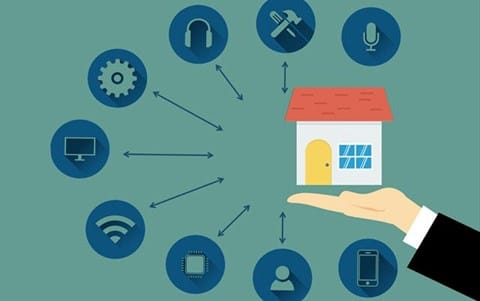
Home automation programming has become increasingly popular in recent years as more and more people seek to automate their homes for convenience, security, and energy efficiency. This technology involves the use of software to control various devices and systems in the home, such as lighting, heating, air conditioning, security systems, and entertainment systems.
The Importance of Home Automation Programming
The importance of home automation programming cannot be overstated. It allows homeowners to control various aspects of their home from a single device or platform, making it easier to manage their homes and save time. For instance, with home automation programming, homeowners can remotely control their home’s lighting, heating, and air conditioning systems, making it possible to adjust the temperature of their home from anywhere in the world. This level of convenience is particularly useful for busy professionals who are constantly on the go.
Furthermore, home automation programming can help improve security in the home. By integrating security systems such as cameras, motion sensors, and alarms into a single platform, homeowners can monitor their homes remotely and receive alerts in case of any suspicious activity. This can help prevent break-ins and other security breaches.
Choosing the Right Programming Language
Choosing the right programming language is crucial when it comes to home automation programming. The programming language used can have a significant impact on the functionality and performance of the system. For instance, some programming languages are better suited for real-time applications, while others are better for data processing. The wrong choice of programming language can result in poor system performance, increased costs, and longer development times.
Cost and time implications are also important considerations when choosing a programming language. Some programming languages may require more time and resources to develop, while others may be more cost-effective. It is important to consider these factors when selecting a programming language to ensure that the project is completed on time and within budget.
Overview of the Main Sections
In this article, we will provide a comprehensive overview of home automation programming, including the definition of home automation programming and its importance. We will also discuss the various applications of home automation programming and how it can benefit homeowners. Additionally, we will delve into the technical aspects of home automation programming, including the importance of choosing the right programming language and the various programming languages available for home automation. Finally, we will provide some tips for selecting the right home automation system and discuss the future of home automation programming. By covering a range of topics, we aim to provide readers with a complete understanding of home automation programming and its potential applications.
II. Understanding Home Automation Programming
Home automation programming is the process of creating and implementing software that controls various devices and systems within a home. This technology has revolutionized the way we live, making our lives easier, more convenient, and more comfortable. In this section, we will delve into the definition of home automation programming, examples of home automation devices, and the importance of programming in home automation.
A. Definition of Home Automation Programming
- Explanation of Home Automation Systems
Home automation systems are a network of devices and systems that are connected and controlled through a central hub. The hub acts as the brain of the system, receiving and processing information from various sensors and devices, and then sending commands to the appropriate devices. These systems can be controlled through a smartphone app, voice commands, or a central control panel.
- Overview of How Programming is Used in Home Automation
Programming is the backbone of home automation systems. It is the code that tells the devices and systems what to do, and when to do it. The programming language used in home automation is typically a high-level language, such as Python or Java. These languages are designed to be easy to read and write, making it easier for developers to create complex systems.
B. Examples of Home Automation Devices
- Smart Thermostats
Smart thermostats are one of the most popular home automation devices. They allow homeowners to control the temperature of their home remotely, using a smartphone app. These devices can also learn the homeowner’s habits and adjust the temperature accordingly, saving energy and money on heating and cooling costs.
- Smart Lighting
Smart lighting is another popular home automation device. These devices allow homeowners to control the lighting in their home remotely, using a smartphone app. They can also be programmed to turn on and off at specific times, or in response to certain events, such as motion detection.
- Smart Security Systems
Smart security systems are becoming increasingly popular, as homeowners seek to protect their homes and families. These systems typically include cameras, motion sensors, and alarm systems, all of which can be controlled remotely using a smartphone app. They can also be programmed to send alerts to the homeowner’s phone in the event of a break-in or other security breach.
C. Importance of Programming in Home Automation
- Customization and Personalization
One of the biggest advantages of home automation programming is the ability to customize and personalize the system to meet the homeowner’s specific needs. For example, a homeowner may want their smart thermostat to adjust the temperature based on the time of day, or the number of people in the home. With programming, this is possible, allowing the homeowner to create a system that is tailored to their lifestyle.
- Increased Efficiency and Convenience
Home automation programming can also increase efficiency and convenience in the home. For example, a homeowner may want their smart lighting to turn on automatically when they enter a room, or their smart security system to send alerts to their phone when they are away from home. With programming, these tasks can be automated, saving time and effort for the homeowner.
In conclusion, home automation programming is a vital component of modern home automation systems. It allows homeowners to customize and personalize their systems, while also increasing efficiency and convenience. With the continued development of this technology, we can expect to see even more advanced and sophisticated home automation systems in the future.
Types of Programming Languages for Home Automation
Home automation has become increasingly popular in recent years, with more and more people looking to automate their homes for convenience, energy efficiency, and security. Programming languages play a crucial role in home automation, allowing developers to create software that can control various devices and systems in the home. In this section, we will explore the different types of programming languages used in home automation.
Low-level programming languages
Low-level programming languages are languages that are closer to the machine code and hardware of a computer. These languages are typically used for tasks that require direct control over the hardware, such as device drivers and operating systems. In home automation, low-level programming languages are used to control the physical devices and sensors that make up the home automation system.
1. Definition and explanation
Low-level programming languages are languages that provide direct access to the hardware of a computer or device. These languages are typically written in assembly language or C language, which allows developers to write code that can interact directly with the hardware.
2. Examples of low-level programming languages
- Assembly language: Assembly language is a low-level programming language that is used to write code that can interact directly with the hardware of a computer or device. Assembly language is often used for device drivers and operating systems, as it provides direct access to the hardware of the system.
- C language: C language is a low-level programming language that is used for system programming and embedded systems. In home automation, C language is often used to control the physical devices and sensors that make up the home automation system.
High-level programming languages
High-level programming languages are languages that are designed to be easy to read and write. These languages are typically used for tasks that require complex logic and algorithms, such as web development and data analysis. In home automation, high-level programming languages are used to create software that can control the home automation system.
1. Definition and explanation
High-level programming languages are languages that are designed to be easy to read and write. These languages are typically used for tasks that require complex logic and algorithms, such as web development and data analysis. In home automation, high-level programming languages are used to create software that can control the home automation system.
2. Examples of high-level programming languages
- Python: Python is a high-level programming language that is used for web development, data analysis, and artificial intelligence. In home automation, Python is often used to create software that can control the home automation system.
- Java: Java is a high-level programming language that is used for web development, mobile app development, and enterprise software development. In home automation, Java is often used to create software that can control the home automation system.
- Ruby: Ruby is a high-level programming language that is used for web development and scripting. In home automation, Ruby is often used to create software that can control the home automation system.
- JavaScript: JavaScript is a high-level programming language that is used for web development and front-end development. In home automation, JavaScript is often used to create software that can control the home automation system.
Scripting languages
Scripting languages are languages that are used to automate tasks and perform simple operations. These languages are typically used for tasks that require repetitive actions, such as file management and system administration. In home automation, scripting languages are used to automate tasks and control the home automation system.
1. Definition and explanation
Scripting languages are languages that are used to automate tasks and perform simple operations. These languages are typically used for tasks that require repetitive actions, such as file management and system administration. In home automation, scripting languages are used to automate tasks and control the home automation system.
2. Examples of scripting languages
- Bash: Bash is a scripting language that is used for system administration and automation. In home automation, Bash is often used to automate tasks and control the home automation system.
- PowerShell: PowerShell is a scripting language that is used for system administration and automation. In home automation, PowerShell is often used to automate tasks and control the home automation system.
In conclusion, understanding the different types of programming languages used in home automation is crucial for developers to create efficient and effective home automation systems. Low-level programming languages are used to control the physical devices and sensors, high-level programming languages are used to create software that can control the home automation system, and scripting languages are used to automate tasks and control the home automation system.
IV. Factors to Consider When Choosing a Programming Language for Home Automation
Home automation is becoming increasingly popular as more and more people seek to make their homes smarter and more efficient. Programming languages are a key component of home automation, as they allow homeowners to control and automate various devices and systems in their homes. However, with so many programming languages available, it can be challenging to know which one to choose. In this section, we will explore the factors to consider when choosing a programming language for home automation.
A. Compatibility with devices
Compatibility with devices is a crucial factor to consider when choosing a programming language for home automation. Not all devices are compatible with all programming languages, so it’s essential to choose a language that can communicate with the devices you want to automate. Some devices use proprietary protocols, which can make it difficult to find a compatible programming language.
For example, if you want to automate your lighting system, you may need a programming language that can communicate with your smart light bulbs. Some popular programming languages for home automation, such as Python and JavaScript, have libraries that can communicate with a wide range of smart devices, including lighting systems, thermostats, and security cameras.
B. Ease of use
Ease of use is another critical factor to consider when choosing a programming language for home automation. Home automation can be a complex process, so it’s essential to choose a language that is easy to learn and use. This is especially important if you are new to programming and home automation.
Python is known for its simplicity and ease of use. It has a straightforward syntax, which makes it easy to read and write. It also has a vast community of developers who have created libraries and frameworks that make it even easier to use for home automation.
C. Community support
Community support is another essential factor to consider when choosing a programming language for home automation. A strong community can provide valuable resources, such as documentation, tutorials, and forums, that can help you learn and troubleshoot issues.
Python is an excellent example of a programming language with a strong community. It has a vast user base, which means there are plenty of resources available for learning and troubleshooting. Additionally, Python has a large number of libraries and frameworks that have been developed by the community, making it easier to automate home devices and systems.
D. Availability of libraries and frameworks
Libraries and frameworks are pre-written code that can be used to simplify programming tasks. They can be especially helpful when automating home devices and systems, as they can save time and reduce the complexity of the code.
Python is known for having an extensive library of modules and frameworks that can be used for home automation. For example, the popular open-source library, Home Assistant, is written in Python and can be used to automate a wide range of devices and systems, including lighting, security, and climate control.
E. Security
Security is a critical consideration when automating home devices and systems. Home automation can involve sensitive information, such as security camera footage and access to door locks, so it’s essential to choose a programming language with strong security features.
Java is an example of a programming language with strong security features. It has a built-in security manager that can control access to sensitive resources, such as files and network connections. Additionally, Java has a vast community of developers who are constantly working to improve its security features.
F. Performance
Performance is another essential factor to consider when choosing a programming language for home automation. Home automation can involve real-time control of devices and systems, so it’s essential to choose a language that can handle the demands of real-time processing.
C++ is an example of a programming language known for its high performance. It is often used in embedded systems, which require real-time processing and low latency. Additionally, C++ has a vast library of frameworks and tools that can be used for home automation.
In conclusion, when choosing a programming language for home automation, it’s essential to consider compatibility with devices, ease of use, community support, availability of libraries and frameworks, security, and performance. By carefully evaluating these factors, you can choose a language that will allow you to automate your home devices and systems efficiently and effectively.
Home automation is becoming increasingly popular, and with it comes the need for programming languages that can effectively control and manage various devices and systems. In this section, we will compare several programming languages commonly used in home automation and explore their differences, similarities, strengths, and weaknesses.
Assembly language vs. C language
Assembly language and C language are two programming languages that are commonly used in home automation. Assembly language is a low-level language that is specific to a particular hardware platform, while C language is a high-level language that is more portable and can be used on different hardware platforms.
The main difference between assembly language and C language is that assembly language is more difficult to learn and use, as it requires a deep understanding of the hardware platform and its architecture. On the other hand, C language is easier to learn and use, as it provides a higher level of abstraction and allows programmers to write code that is more portable and easier to maintain.
In terms of strengths and weaknesses, assembly language is faster and more efficient than C language, as it allows programmers to write code that is specific to the hardware platform and can take advantage of its full capabilities. However, assembly language is also more error-prone and difficult to debug, as it requires a deep understanding of the hardware platform and its architecture.
C language, on the other hand, is more portable and easier to maintain than assembly language, as it provides a higher level of abstraction and allows programmers to write code that can be used on different hardware platforms. However, C language is also slower and less efficient than assembly language, as it cannot take full advantage of the hardware platform’s capabilities.
Python vs. Java
Python and Java are two high-level programming languages that are commonly used in home automation. Python is a scripting language that is easy to learn and use, while Java is a compiled language that is more complex and requires more expertise.
The main difference between Python and Java is that Python is more dynamic and flexible than Java, as it allows programmers to write code that is more concise and easier to read. On the other hand, Java is more static and rigid than Python, as it requires programmers to write code that is more verbose and structured.
In terms of strengths and weaknesses, Python is faster and more efficient than Java, as it allows programmers to write code that is more concise and easier to read. However, Python is also less secure and more error-prone than Java, as it allows for more dynamic and flexible programming.
Java, on the other hand, is more secure and less error-prone than Python, as it requires programmers to write code that is more structured and less flexible. However, Java is also slower and less efficient than Python, as it requires more processing power and memory.
Ruby vs. JavaScript
Ruby and JavaScript are two high-level programming languages that are commonly used in home automation. Ruby is a scripting language that is easy to learn and use, while JavaScript is a compiled language that is more complex and requires more expertise.
The main difference between Ruby and JavaScript is that Ruby is more dynamic and expressive than JavaScript, as it allows programmers to write code that is more concise and easier to read. On the other hand, JavaScript is more static and rigid than Ruby, as it requires programmers to write code that is more verbose and structured.
In terms of strengths and weaknesses, Ruby is faster and more efficient than JavaScript, as it allows programmers to write code that is more concise and easier to read. However, Ruby is also less secure and more error-prone than JavaScript, as it allows for more dynamic and expressive programming.
JavaScript, on the other hand, is more secure and less error-prone than Ruby, as it requires programmers to write code that is more structured and less flexible. However, JavaScript is also slower and less efficient than Ruby, as it requires more processing power and memory.
Bash vs. PowerShell
Bash and PowerShell are two scripting languages commonly used in home automation. Bash is a Unix-based language that is used in Linux and Unix-based systems, while PowerShell is a Windows-based language that is used in Windows-based systems.
The main difference between Bash and PowerShell is that Bash is more flexible and easier to learn than PowerShell, as it allows programmers to write code that is more concise and easier to read. On the other hand, PowerShell is more structured and less flexible than Bash, as it requires programmers to write code that is more verbose and structured.
In terms of strengths and weaknesses, Bash is faster and more efficient than PowerShell, as it allows programmers to write code that is more concise and easier to read. However, Bash is also less secure and more error-prone than PowerShell, as it allows for more dynamic and flexible programming.
PowerShell, on the other hand, is more secure and less error-prone than Bash, as it requires programmers to write code that is more structured and less flexible. However, PowerShell is also slower and less efficient than Bash, as it requires more processing power and memory.
In conclusion, choosing the right programming language for home automation depends on the specific needs and requirements of the project. Each language has its own strengths and weaknesses, and it is important to carefully consider these factors when selecting a language for a home automation project.
VI. Best Programming Language for Home Automation
Home automation is becoming increasingly popular as more and more people are looking for ways to make their homes smarter and more efficient. With the rise of smart devices and the Internet of Things (IoT), there are now many programming languages available for home automation. However, not all programming languages are created equal, and choosing the right one can make a big difference in the effectiveness and efficiency of your home automation system.
A. Summary of the Comparison
In this section, we will provide a summary of the strengths and weaknesses of each programming language that we have compared for home automation. Our comparison included Python, JavaScript, Ruby, and Lua.
- Python: A popular programming language known for its simplicity and ease of use. It is widely used in the field of home automation due to its readability and the availability of many libraries and frameworks that make it easy to develop home automation systems.
- JavaScript: Another popular programming language widely used in web development. It is also used in home automation systems due to its versatility and the availability of many libraries and frameworks that make it easy to develop home automation systems.
- Ruby: A dynamic, object-oriented programming language known for its simplicity and ease of use. It is widely used in the field of home automation due to its readability and the availability of many libraries and frameworks that make it easy to develop home automation systems.
- Lua: A lightweight, high-level programming language designed for embedded systems and scripting. It is widely used in the field of home automation due to its small size and the availability of many libraries and frameworks that make it easy to develop home automation systems.
B. Factors that Make a Programming Language the Best for Home Automation
When it comes to home automation, several factors make a programming language the best choice. These factors include:
- Ease of Use: The programming language should be easy to learn and use, even for those who are not experienced programmers.
- Flexibility: The programming language should be flexible enough to handle a wide range of tasks, from simple automation tasks to complex home automation systems.
- Compatibility: The programming language should be compatible with a wide range of hardware and software platforms, including smart devices, sensors, and other home automation components.
- Performance: The programming language should be able to handle the demands of a home automation system, including real-time data processing and control.
- Security: The programming language should be secure and able to protect the home automation system from hacking and other security threats.
C. Recommendation for the Best Programming Language for Home Automation
Based on our comparison and analysis of the factors that make a programming language the best choice for home automation, we recommend Python as the best programming language for home automation.
Python is easy to learn and use, making it accessible to those who are not experienced programmers. It is also flexible enough to handle a wide range of tasks, from simple automation tasks to complex home automation systems. Python is compatible with a wide range of hardware and software platforms, including smart devices, sensors, and other home automation components.
In terms of performance, Python is fast and efficient, making it ideal for real-time data processing and control. Additionally, Python has a strong focus on security, with many libraries and frameworks available to help developers build secure home automation systems.
Overall, Python is the best programming language for home automation due to its ease of use, flexibility, compatibility, performance, and security.
Section VII: Additional Topics in Home Automation Programming
Home automation programming is an exciting and rapidly growing field. As technology continues to advance, the possibilities for home automation programming are endless. In this section, we will explore some additional topics in home automation programming, including test automation, the Internet of Things (IoT), and custom actions for devices like Amazon Alexa and Google Home.
A. Test Automation
- Explanation of Test Automation in Home Automation Programming
Test automation is a process that involves using software tools to automate the testing of a system or application. In home automation programming, test automation is used to ensure that the system is functioning correctly and that all devices are working as intended. Test automation helps to reduce the time and effort required for testing, while also improving the accuracy and reliability of the testing process.
- Examples of Tools and Techniques Used for Test Automation
There are several tools and techniques used for test automation in home automation programming. One such tool is Selenium, which is an open-source tool used for automating web browsers. Another tool is Appium, which is used for automating mobile applications. In addition to these tools, there are also several techniques used for test automation, including behavior-driven development (BDD) and test-driven development (TDD).
B. Internet of Things (IoT)
- Explanation of IoT and Its Relevance to Home Automation Programming
The Internet of Things (IoT) is a network of physical devices, vehicles, home appliances, and other items that are embedded with electronics, software, sensors, and connectivity, which enables these objects to connect and exchange data. In home automation programming, IoT devices are used to automate various tasks, such as turning on lights, adjusting the temperature, and controlling home security systems.
- Examples of IoT Devices and Their Programming Languages
There are several IoT devices used in home automation programming, including smart thermostats, smart locks, and smart lighting systems. Each of these devices has its programming language, which is used to control and automate the device. For example, the Nest Learning Thermostat uses a programming language called Weave, while the Philips Hue Lighting System uses a language called Zigbee.
C. Custom Actions for Devices like Amazon Alexa and Google Home
- Explanation of Custom Actions and Their Importance in Home Automation
Custom actions are commands that are programmed into devices like Amazon Alexa and Google Home, allowing users to control their home automation systems using voice commands. Custom actions are essential in home automation programming because they provide a more convenient and efficient way to control home automation systems, making it easier for users to manage their homes.
- Examples of Programming Languages Used for Custom Actions
There are several programming languages used for custom actions, including Python, Java, and JavaScript. Python is a popular language used for developing custom actions for Amazon Alexa, while Java is commonly used for developing custom actions for Google Home. JavaScript is also used for developing custom actions for both Amazon Alexa and Google Home.
In conclusion, test automation, the Internet of Things, and custom actions for devices like Amazon Alexa and Google Home are all essential topics in home automation programming. By understanding these topics and the tools and techniques used for each, developers can create more efficient and effective home automation systems that provide users with a more convenient and comfortable living experience.
Section VIII: Conclusion
A. Recap of the importance of choosing the right programming language for home automation
In conclusion, choosing the right programming language for home automation is crucial for ensuring that your system runs smoothly and efficiently. As we have discussed in this article, there are several factors to consider when selecting a programming language, including compatibility with your hardware, ease of use, and availability of resources and support.
To recap, the factors to consider when choosing a programming language for home automation are:
- Compatibility with your hardware: Ensure that the programming language you choose is compatible with the hardware you are using for your home automation system.
- Ease of use: Choose a programming language that is easy to learn and use, especially if you are new to programming.
- Availability of resources and support: Select a programming language that has a large community of developers and resources available to help you troubleshoot any issues that may arise.
B. Final thoughts and recommendations
- Importance of staying up-to-date with new developments in home automation programming: It is essential to stay up-to-date with new developments in home automation programming to ensure that your system remains relevant and efficient. As technology continues to evolve, new programming languages and techniques are being developed, and it is crucial to keep abreast of these changes.
- Encouragement to experiment with different programming languages and techniques: Finally, we encourage you to experiment with different programming languages and techniques to find the best fit for your home automation system. Don’t be afraid to try new things and explore different options. By doing so, you may discover new and innovative ways to improve your home automation system’s performance and functionality.
In conclusion, choosing the right programming language for home automation is critical for ensuring that your system runs smoothly and efficiently. By considering the factors we have discussed and staying up-to-date with new developments in home automation programming, you can create a robust and effective system that meets your needs and exceeds your expectations.